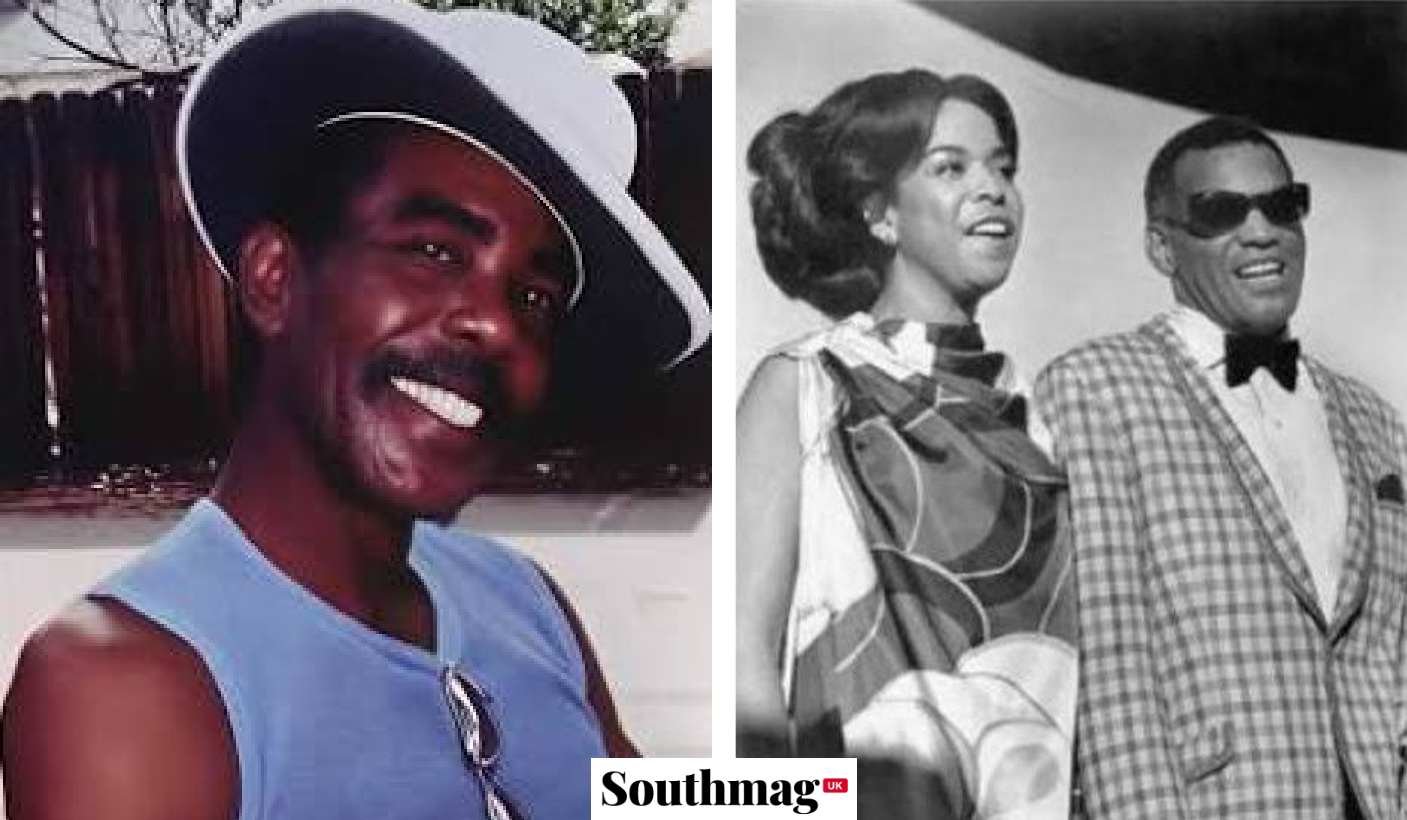
Ray Charles is universally celebrated as the genius of American soul music. His unmistakable voice, piano brilliance, and historic recordings changed popular culture forever. Yet behind his historic concerts and worldwide fame was a complicated personal life that produced twelve children. Among them was Charles Wayne Hendricks, a son born to one of soul music’s most electrifying partnerships.
Unlike his world-famous father, Charles lived entirely away from the cameras. He was the only child born to Ray Charles and Margie Hendrix, the fiery lead singer of The Raelettes. While his parents made musical history on stage, Charles chose a quiet civilian existence. He never gave media interviews, never pursued a recording career, and never attempted to capitalize on his family name.
His story represents one of the most private chapters in the Charles family history. Raised during a turbulent period in his mother’s life, he experienced personal tragedy early before carving out an independent path. In this comprehensive biography, we explore Charles Wayne Hendricks’ upbringing, his mother’s tragic story, his relationship with Ray Charles, his siblings, and what public records tell us about his life.
Who Was Charles Wayne Hendricks?
Charles Wayne Hendricks was the son of legendary rhythm and blues pioneer Ray Charles and singer Margie Hendrix. He was born on October 1, 1959, in New York City, during the peak of his father’s early musical triumphs.
Despite being born to two prominent figures in American music, Charles chose a life of quiet anonymity. He did not enter the recording studio or seek a place in show business. Most of what the public knows about him comes from historical accounts of The Raelettes and later legal records involving Ray Charles’ estate.
Music historians and fans often look up his background because his parents shared such an extraordinary creative bond. While his father’s legacy remains immortal, his life offers a reminder of the human realities that existed behind the velvet curtains of 1960s soul music.
Quick Facts & Biographical Profile
The table below provides a verified summary of Charles Wayne Hendricks’ life, parentage, and biographical details.
| Biographical Detail | Historical Record |
|---|---|
| Full Name | Charles Wayne Hendricks |
| Date of Birth | October 1, 1959 |
| Birthplace | New York City, New York, United States |
| Father | Ray Charles (17-time Grammy-winning music pioneer) |
| Mother | Margie Hendrix (Lead singer of The Raelettes) |
| Siblings | 11 half-siblings through Ray Charles |
| Occupation | Private civilian career (non-celebrity) |
| Reported Marriage | Marlene Hendricks (reported in public records, unconfirmed) |
| Estate Settlement | Trust beneficiary under Ray Charles’ estate plan |
| Year of Passing | 2013 (Reported at age 54) |
The Fiery Romance: Ray Charles and Margie Hendrix
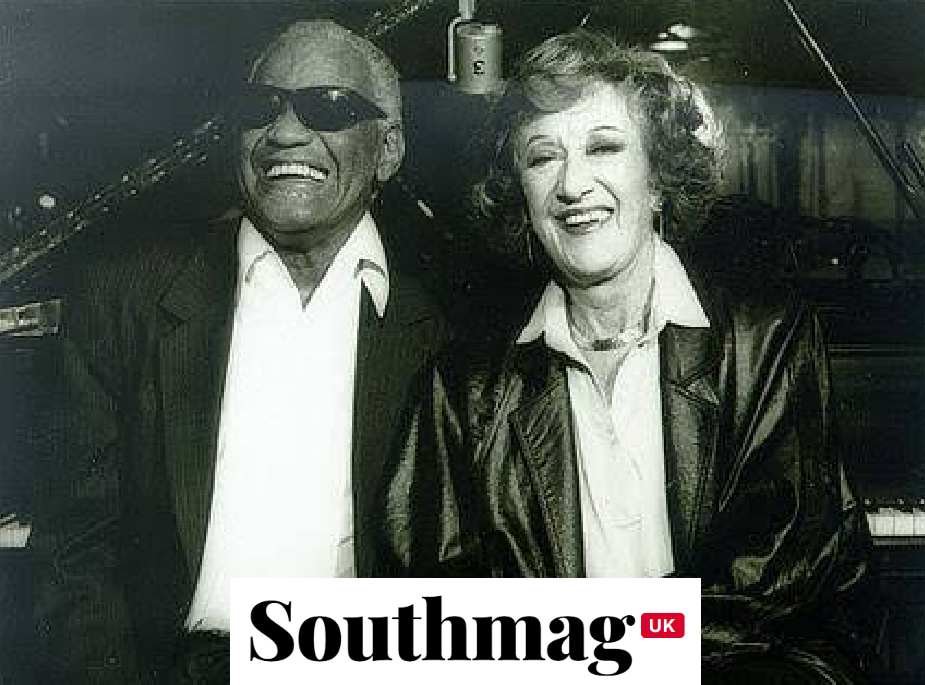
To understand Charles Wayne Hendricks’ origins, one must explore the passionate and turbulent relationship between his parents. In the late 1950s, Ray Charles was transforming popular music by fusing raw gospel passion with rhythm and blues. To bring his musical vision to life, he formed The Raelettes, a female backing vocal group whose harmonies became legendary.
Margie Hendrix quickly emerged as the standout voice of the group. Her explosive vocal power, emotional range, and fierce stage presence matched Ray’s energy note for note. Their musical chemistry reached its absolute peak on iconic tracks like the 1959 hit “Night Time Is the Right Time.” Margie’s soaring call-and-response solos electrified listeners and defined the emerging sound of soul music.
Off stage, their working dynamic quickly turned into an intense romance. However, their relationship was fraught with complications. Ray Charles was married to Della Beatrice Howard Robinson, known as Bea, with whom he shared three children. Despite the birth of Charles Wayne Hendricks in October 1959, Ray refused to leave his wife.
As the early 1960s progressed, the relationship between Ray and Margie grew increasingly stormy. Fueled by grueling tour schedules, substance abuse, and personal disappointment, their frequent arguments became common knowledge within the band. By 1964, the personal and professional partnership ended, and Margie departed The Raelettes to pursue an independent path.
The Heartbreaking Story of His Mother, Margie Hendrix
Margie Hendrix was an exceptional talent whose artistic contributions helped build the foundation of modern soul music. Yet after leaving Ray Charles and The Raelettes, her life took a difficult and tragic turn.
She signed with Mercury Records and released several solo singles in the mid-1960s, including “Now The Hurts On You” and “Baby.” Although her voice remained powerful, the records failed to achieve major commercial success. Without the backing of a major soul label or consistent tour support, her musical momentum slowed down.
In 1966, Margie married jazz singer Robert Fulson. Just a year later, tragedy struck when the couple was involved in a severe automobile accident. Margie suffered serious neck injuries and suffered partial hearing loss in her right ear. For a vocalist who relied on precise auditory feedback and stage energy, these physical injuries dealt a devastating blow to her career.
In the years that followed, Margie battled severe substance addiction and personal heartbreak. By the early 1970s, she had withdrawn entirely from the recording industry. On July 14, 1973, Margie Hendrix passed away in New York City at the young age of thirty-eight. While official reports left details unconfirmed, friends and colleagues mourned the loss of a brilliant artist who never received the recognition she deserved.
Charles was only fourteen years old when his mother died. Losing his primary caregiver at such a formative age was an emotional blow that shaped his outlook for the rest of his life. He retreated into civilian privacy, maintaining a quiet existence far from the entertainment industry.
Growing Up in the Orbit of Ray Charles
Ray Charles is remembered globally as an American cultural giant. Losing his sight as a boy to glaucoma, he displayed legendary resilience, teaching himself braille composition, piano arrangement, and audio engineering. Over five decades, he earned seventeen Grammy Awards, the Presidential Medal of the Arts, and a permanent place in the Rock and Roll Hall of Fame.
Yet as a father, Ray lived an unconventional life. Between his intense tour schedule and his numerous relationships, he fathered twelve children with ten different women. His children grew up in different cities, often with very different relationships with their famous father.
Ray Charles Robinson Jr., Charles Wayne’s half-brother, provided an honest look into this family dynamic in his candid memoir, You Don’t Know Me. Ray Jr. explained that while their father provided financial support and took pride in teaching his kids practical life skills, his first love was always music. He was on the road for hundreds of days each year, leaving little room for conventional daily fatherhood.
For Charles Wayne Hendricks, having Ray Charles as a father meant possessing a world-famous surname while living in relative isolation. Ray ensured that financial provisions existed for his son, but Charles grew up without the constant presence of a traditional household. This upbringing reinforced his natural inclination toward privacy and self-reliance.
The Charles Family Tree: Brothers and Sisters
While Charles Wayne Hendricks was the only child born to Margie Hendrix and Ray Charles, he was part of a large family network. Ray Charles fathered twelve children over four decades, creating an expansive family tree.
His half-siblings include Evelyn Robinson, Ray Charles Robinson Jr., David Robinson, Robert Robinson, Reatha Butler, Alexandra Bertrand, Robyn Moffett, Raenee Robinson, Sheila Raye Charles, Vincent Kotchounian, and Ryan Corey Robinson de Bok. Public records also occasionally mention George Charles, who passed away earlier.
Some of his siblings embraced public life. Ray Charles Robinson Jr. became an author and advocate for the family legacy. Sheila Raye Charles followed her father into gospel and blues music before her death in 2017. Vincent Kotchounian pursued professional photography and contributed to album artwork.
However, many other siblings made the exact same choice as Charles. They chose to work ordinary civilian jobs, raise families quietly, and avoid media speculation. Despite their different mothers, the siblings shared a unique bond through their famous patriarch, coming together during major family milestones and estate discussions.
His Private Adult Life and Rumored Family
During his adult years, Charles Wayne Hendricks made a deliberate effort to keep his personal life completely confidential. In a culture where celebrity relatives often write tell-all books or seek public attention, Charles remained resolutely silent.
Public records and family accounts suggest that he lived in several states, including New York and later Colorado. Some biographical reports state that he married a woman named Marlene Hendricks and had children of his own. However, because Charles never released public statements or verified details through media profiles, these reports remain based on public directory filings rather than direct confirmations.
What is clear is that Charles built a normal civilian career outside of the music industry. He avoided the Hollywood social circuit and lived as an everyday American citizen. Those who crossed paths with him noted that he was polite, quiet, and deeply protective of his personal boundaries.
The 2004 Estate Settlement and Music Rights Dispute
When Ray Charles passed away on June 10, 2004, at the age of seventy-three, he left behind an estate valued at tens of millions of dollars. He also left a carefully constructed estate plan designed to settle matters with his large family.
In December 2002, knowing his health was declining, Ray Charles convened an extraordinary family meeting in Los Angeles with ten of his children, including Charles Wayne Hendricks. During this meeting, Ray informed them of his intentions. He had established individual trusts of five hundred thousand dollars for each child, to be paid out over several years.
In return, Ray Charles requested that his children waive future claims against his remaining assets. The bulk of his fortune, including the ongoing royalties from his legendary master recordings, was bequeathed to the Ray Charles Foundation, a charitable organization dedicated to supporting hearing-impaired individuals and educational causes.
Following Ray’s death, several children, including Charles Wayne, became involved in legal discussions regarding their statutory rights under U.S. Copyright law. The federal Copyright Act allows the heirs of songwriters to terminate past copyright transfers after a certain period of years. The children sought to regain ownership rights to their father’s songwriting catalog.
The legal dispute culminated in federal court proceedings. In 2013, the United States Court of Appeals for the Ninth Circuit ruled that the Ray Charles Foundation had legal standing to challenge the termination notices. The court ultimately favored the foundation’s stewardship of the catalog. Although complex, the case placed Charles Wayne Hendricks’ name in national legal publications as one of Ray Charles’ legal heirs.
His Reported Passing in 2013: Unanswered Questions
According to multiple published family records and estate notices, Charles Wayne Hendricks passed away in 2013 at the age of fifty-four. However, very few public details were ever released regarding his death.
His family chose not to release an official autopsy report or issue public eulogies to the press. Because of this complete privacy, some online forums have engaged in unsubstantiated speculation regarding the cause of his passing. Responsible journalism requires distinguishing between verified facts and internet rumors: the official cause of his death was never publicly disclosed, and his family has chosen to keep that chapter private.
His quiet passing mirrored the way he lived his entire life. Just as he refused to exploit his father’s fame during his lifetime, his family honored his memory with dignified silence. He was remembered privately by those who knew him as a quiet, thoughtful individual who walked his own path.
The Human Reality Behind Soul Music Royalty
The life of Charles Wayne Hendricks offers a profound lesson on the reality of growing up connected to legendary figures. When music fans listen to the electrifying harmonies of Ray Charles and Margie Hendrix, they hear artistic triumph. But behind those historic recordings were real human beings who faced personal struggles, heartbreak, and early loss.
Charles did not inherit his father’s musical career, nor did he seek the limelight that consumed his mother. Instead, he lived with quiet dignity, enduring the early loss of his mother and navigating the immense legacy of his father on his own terms.
His life reminds us that true self-worth is not measured by fame, magazine covers, or public applause. By choosing an ordinary, honest civilian life, he proved that one can be part of American musical royalty while remaining entirely true to oneself.
Frequently Asked Questions About Charles Wayne Hendricks
Below are clear, verified answers to the most common questions readers ask regarding Charles Wayne Hendricks and his connection to Ray Charles.
Who was Charles Wayne Hendricks?
He was the son of legendary rhythm and blues musician Ray Charles and singer Margie Hendrix, the lead vocalist of The Raelettes.
When was Charles Wayne Hendricks born?
He was born on October 1, 1959, in New York City, during the early height of his father’s soul music career.
Who was Charles Wayne Hendricks’ mother?
His mother was Margie Hendrix, a founding member and lead voice of The Raelettes. She famously performed the fiery vocal solos on Ray Charles’ 1959 hit “Night Time Is the Right Time.”
What happened to Margie Hendrix?
After leaving The Raelettes, Margie suffered physical injuries in a 1967 car crash and struggled with substance addiction. She passed away in New York City in July 1973 at the age of thirty-eight, when Charles was just fourteen years old.
Did Charles Wayne Hendricks have siblings?
Yes. While he was the only child born to Ray Charles and Margie Hendrix, he had eleven half-siblings through his father’s other relationships, including Ray Charles Robinson Jr., David Robinson, and Sheila Raye Charles.
Was Charles Wayne Hendricks a musician?
No. Charles chose not to enter the music industry. He lived an entirely private civilian life away from entertainment and media attention.
Did Charles Wayne Hendricks receive an inheritance from Ray Charles?
Yes. Ray Charles established five hundred thousand dollar trusts for each of his children prior to his death in 2004, while directing the remainder of his estate and music rights to the Ray Charles Foundation.
When did Charles Wayne Hendricks die?
According to published estate and family records, he passed away in 2013 at the age of fifty-four. His family kept the circumstances of his passing private.
Final Thoughts: A Quiet Life in the Shadow of Giants
Charles Wayne Hendricks lived at the intersection of American musical history and personal tragedy. As the son of Ray Charles and Margie Hendrix, his roots were tied to the golden era of soul music. Yet his greatest achievement may have been his refusal to let fame dictate his life.
In a world that constantly encourages the pursuit of celebrity, Charles chose privacy, peace, and simplicity. His journey stands as an enduring reminder of the quiet dignity of living on one’s own terms, proving that an authentic civilian life is just as worthy of respect as the greatest stage performance.
Related Biographies
- Marcel Young – Inside the private life of Dr. Dre and Michel’le’s son.
- Anthony Dion Fay – The untold story of Barbara Stanwyck’s adopted son and his civilian life.
Leave a Reply